It’s that time of year again! LEAP Advance applications are now open, and two of our LEAP Advance alumni, Kare’l Lokeni and Kat Parpana have prepared some tips and tricks to help you feel confident about your submission.
Reflecting on My Experience
By: Kare’l Lokeni
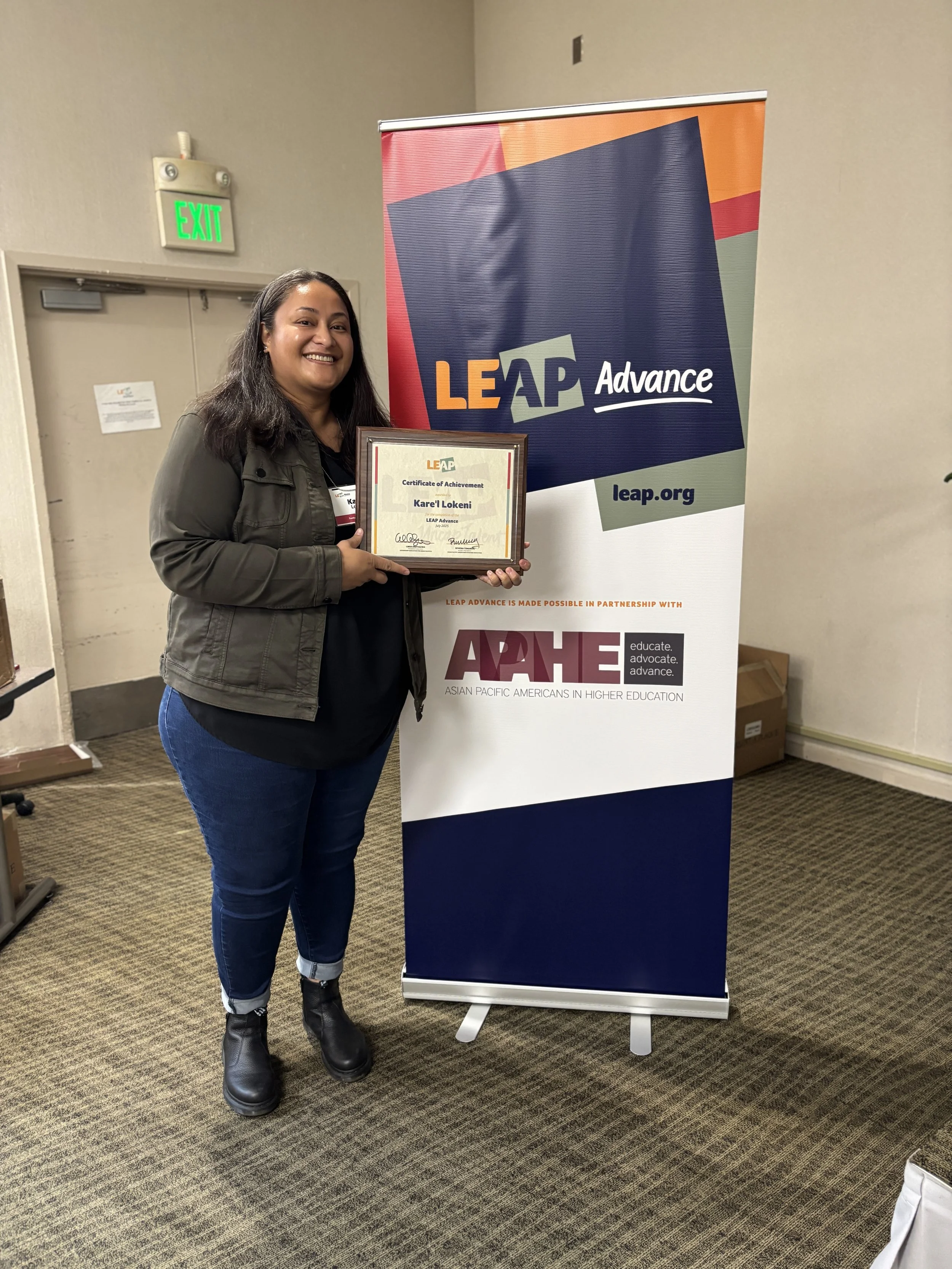
My name is Kare'l Lokeni and honestly, I didn't see myself as a leader. I have worked in higher education for over 15 years working directly with students. I understood my role and position in working with students, but I didn't see myself as a leader amongst peers and other higher ed educators. I'm reticent by nature, so I tend to stay under the radar and in my own lane. I have had informal mentors and I stay observant of leadership actions that I would like to replicate. I am Samoan and my identity plays a huge role in my commitment to higher education for my Native Hawaiian Pacific Islander (NHPI) community. It is because of this and wanting to uplift NHPIs within higher education that I found myself actively stepping more into leadership opportunities that bring more awareness to my community.
I have worked in the California community colleges over a decade and I knew many LEAP Advance alum that had many great things to say about the experience. Dr. Audrey Yamagata-Noji was my VP of Student Services while I was at Mt.SAC. So LEAP Advance has been in my peripheral for awhile, but I did not feel a need to apply until the last year. I came at a place in my career that I wasn't sure what my next step was, while I still had a vision for my community outcomes. I applied because I also needed to be honest with myself that it was time to stop staying on the margins of wanting success for my community without being front-facing. I am glad I applied and thankful for the experience. I don't regret waiting because the timing was perfect. As I reflect on my time within the program, here are some tips I can share:
Use your network! If you're applying, it means you've heard about LEAP Advance someway, somehow. Reach out to your network early to ask questions on any and everything. So whether it's about the application, the program schedule, or if it's a good fit - send that text, make that call, or schedule that zoom meeting. The application requires an executive level recommendation and your network can definitely help with this. The LEAP Advance community is vast and welcoming, so you'll be surprised how close you really are to a LEAP Advance alum and reach out.
Reflect and be honest with yourself! LEAP Advance is not a program, a conference, nor a to-do on your checklist. The experience itself is really an investment into your future as an educator. So take the time to put in the investment properly with the application, researching the program, ask questions to others and especially to yourself. Self-reflection here is key and reflect where you honestly want to be in 5-10 years. LEAP Advance is wholly unique in itself and not found elsewhere. The network, the camaraderie, and life-long lessons and friendships are all a bonus to what you gain from the experience.
There are no wrong answers to the questions, but there is a seasonality that speaks in your answers. LEAP isn't looking for the right answers, the ideal candidate, nor at all your accomplishments. Your answers should reflect you in your current educational career trajectory in its natural projection. And in your responses, there is a distinctive next step to your story as a leader. Let that unfold and write about it.
Invest in yourself! Do not let fees or money withhold you from applying. There is development fund and scholarships available. Apply for them.
Rethinking the Model Applicant: 5 Myths About the LEAP Advance Application
By: Kat Parpana
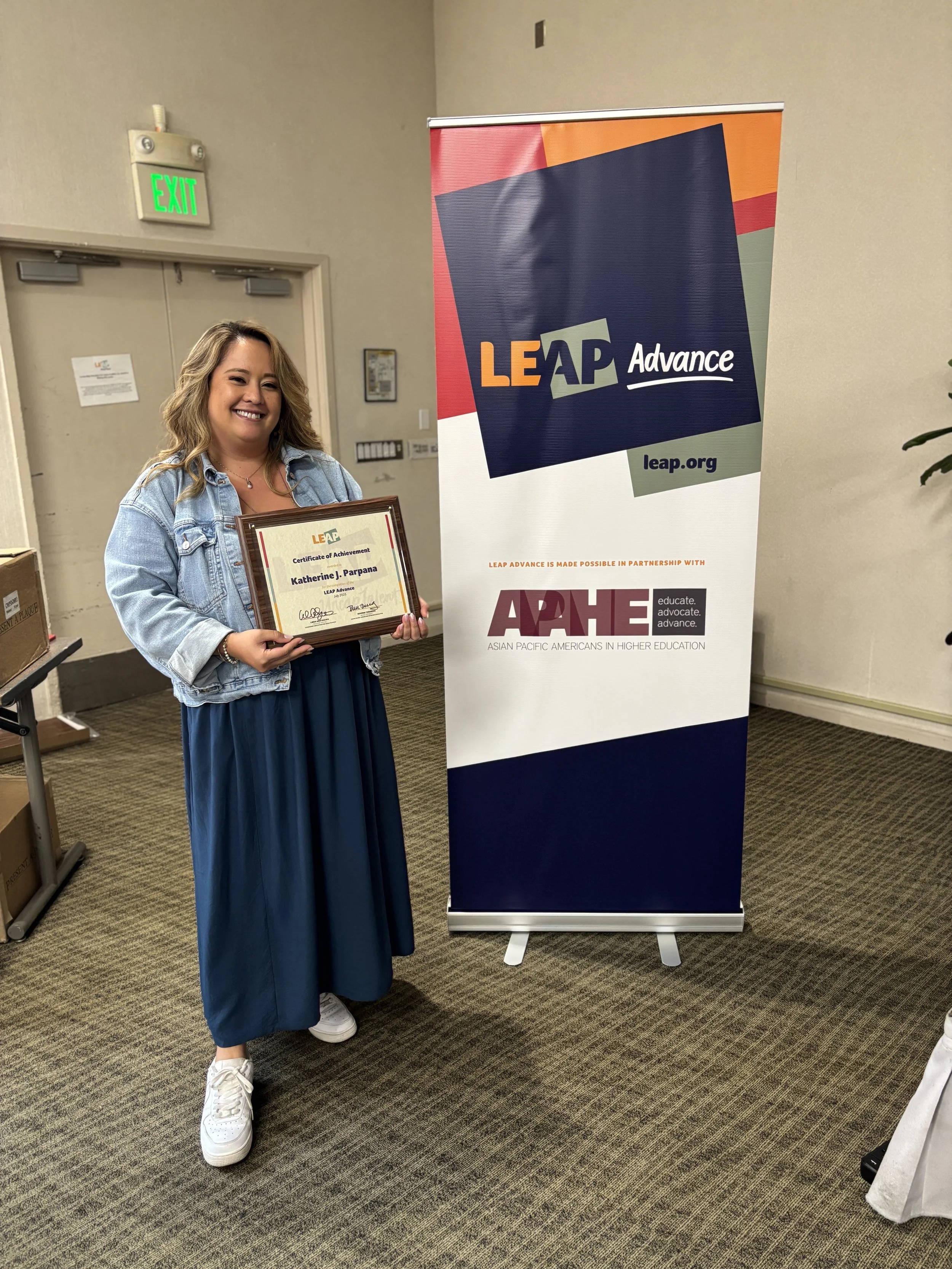
If you’re preparing your LEAP Advance application, you might feel the pressure to present your most polished, accomplished self–the ideal candidate. I know I felt that way, especially since I was finally ready to apply after waiting about three years.
For many of us, especially those who struggle with imposter syndrome or whose experiences are shaped by or are tied to the model minority myth, this can feel familiar. We may emphasize productivity, downplay struggle, and demonstrate excellence above all else. While these tendencies are often rewarded, they can also limit how we might show up authentically. They can distance us from our full stories and reinforce harmful ideas about what it means to be “deserving” or “qualified.”
This isn’t about concealing those well earned rewards and accolades. It’s about unlearning the patterns we’ve been socialized into and being ok with showing up as our whole selves. What if a strong application also means reflection, care and connection? Here are five myths worth letting go of for your LEAP Advance Application:
Myth #1: Strong applicants have it all figured out | Reality: We are all still learning and growing
LEAP Advance is designed for leaders who are still evolving. I applied as a mid-level professional in my 2nd year of my doctoral program. Be honest about where you are in your journey and what you hope to develop. Naming your questions, challenges, and areas for growth demonstrates self-awareness and readiness. You will also join a cohort of learning leaders, all of whom will also contribute to your journey and you to theirs. Shoutout C28 the Great!
Myth #2: More accomplishments = stronger application | Reality: Impact>volume
Meaningful impact matters most, especially when rooted in care, access, and intention. Rather than list everything you’ve done, focus on the depth of contributions that align with your leadership agenda.
Myth #3: You are THE MODEL | Reality: We are more than our ability to produce
The model minority myth suggests there is such a thing as a good vs bad minority. This is a product of anti-blackness and keeps marginalized groups apart. The myth teaches many of us to be exceptional, silent, and unproblematic. On the other hand, leadership requires reflection, advocacy, and vulnerability.
Myth #4: Leadership is individual | Reality: Leadership is relational and collective
As a Pinay who grew up with my large Filipino family in multicultural environments, being in community is important to me and permeates throughout every aspect of my life. This also shows up in how I approach my leadership style, so if this is also true for you (which I would bet it is), then a strong application demonstrates collaboration, contributions to cultures of care, and intention to uplifting others. Leadership is built through relationships, trust, and shared responsibility.
Myth #5: You need to fit a mold | Reality: We are not a monolith, even in leadership roles.
You do not need to conform to a specific leadership style or narrative. Be grounded in your values, your purpose, your vision, and your WHY. LEAP Advance fosters space for leaders to grow through mentorship, sponsorship, and community. This means you don’t have to navigate your leadership journey alone nor should you shrink yourself to fit it.
As you engage with the LEAP Advance application process, I hope you feel empowered to come as you are–and who you are becoming. This is not about proving you are already the ideal leader. It is about showing who you are, what you care about, and how you are growing.
I am so glad that I pursued this program. It helped me grow as a leader, scholar-practitioner, and as a human. I feel more connected, more confident, and transformed. I still connect with my mentor regularly, as well as LEAP faculty. I cannot thank LEAP staff enough for all their care and community. And now I have a new family, 28 the Great, and I could not be more grateful.
We look forward to welcoming you into the LEAP family!
ABOUT THE AUTHORS
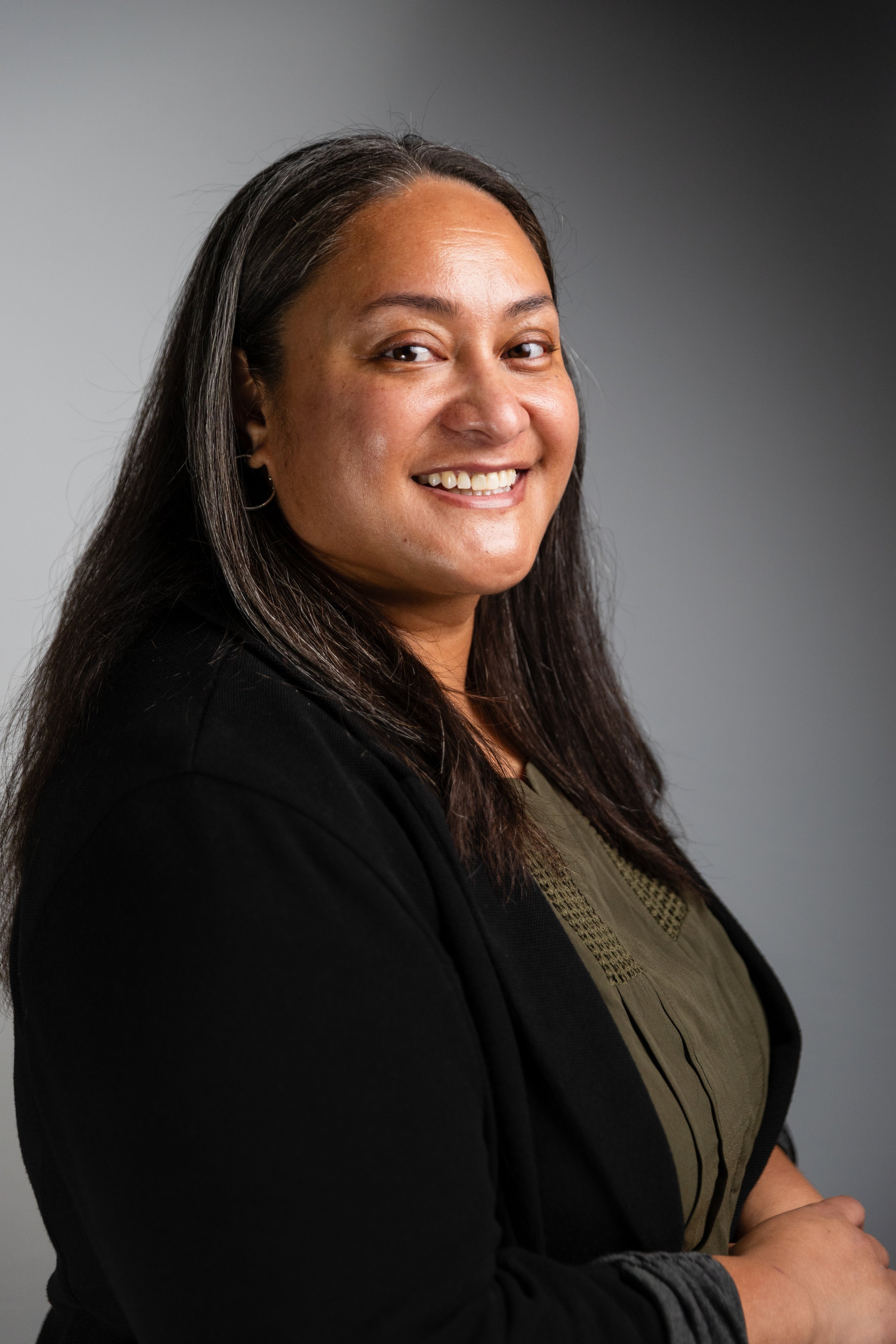
Kare’l Lokeni
Kare'l is a Counselor at Mt. San Antonio College and El Camino College. She has worked across many systems of higher education. As a product of the community college system, she found her way into higher education by chance after volunteering in undergrad with the Community Programs Office at UCLA. In moving away to complete her graduate studies at Columbia University and working with diverse communities within the private university system, Kare'l moved back to California to continue her work within the community colleges and has invested interest to increase NHPI student success. She is also the current co-chair for the NHPI Educators Collective (NHPIEC), an initiative to increase career pathways for NHPIs in higher education with professional development and mentorship opportunities.
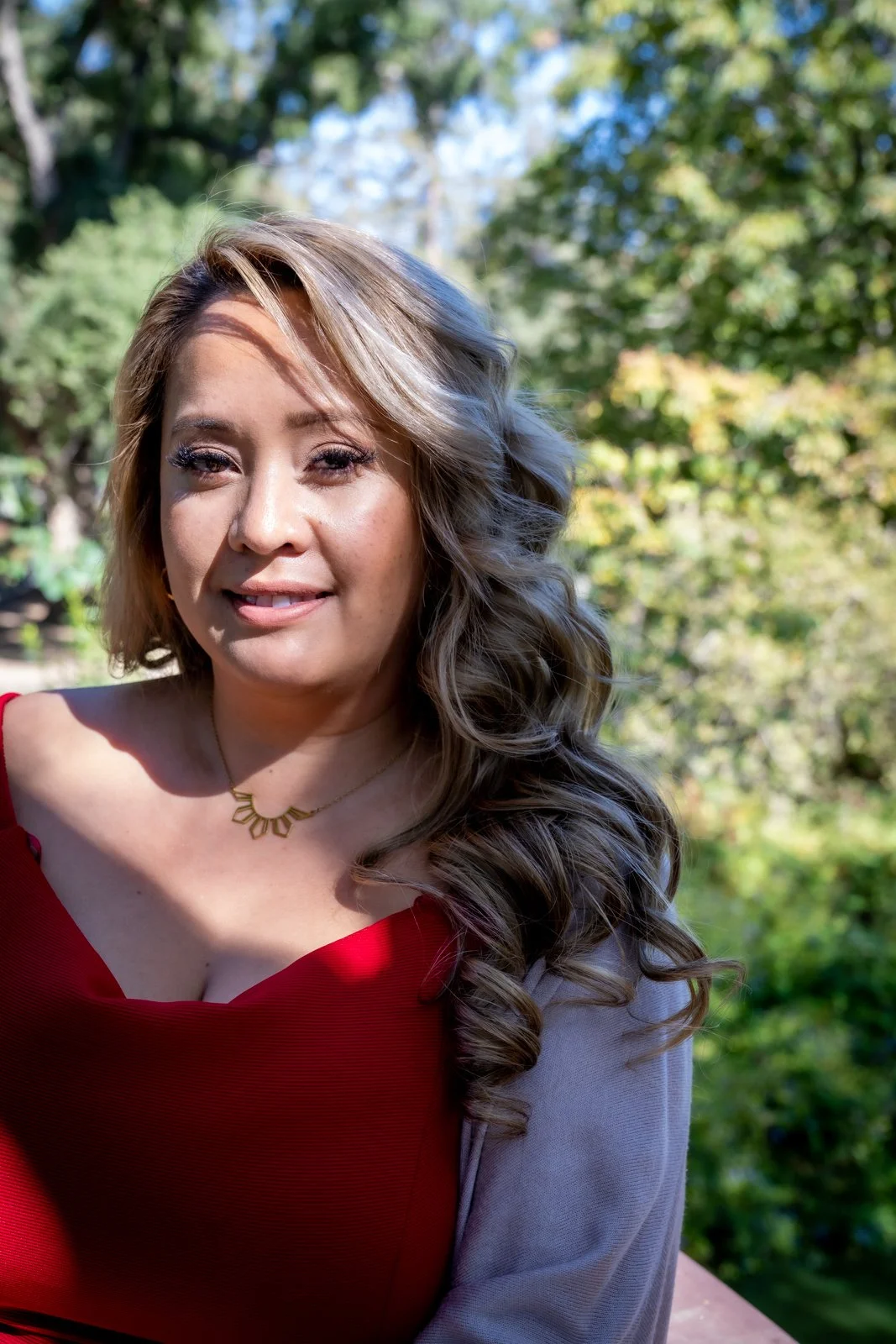
Kat Parpana
Kat (she/her/siya) is a Pinay scholar-practitioner with ancestral roots in the Philippines and across the broader Asian and Pacific diasporas. Raised between the Pacific and California, her lived experiences shape her commitment to equity-driven, student-serving work in higher education.
A proud UC Davis alumna, she earned dual B.A. degrees in Asian American Studies and Sociology, and an M.A. in Educational Leadership and Policy Studies from Sacramento State. She is currently a Doctoral Candidate (Ed.D.) in Educational Leadership (CANDEL) at the UC Davis School of Education, where her research examines how University of California practitioners conceptualize and enact capacity building through AANAPISI initiatives.
Kat serves as Director of the UC Davis Asian and Pacific Islander Academic Retention Initiative and the Lotus Mana Center, chairs the campus AANAPISI Executive Council, and represents UC Davis on the UC AANAPISI Advisory Board. Beyond campus, she is deeply engaged in regional and national efforts to advance student success and strengthen institutional knowledge. She collaborates with organizations including Asian Pacific Americans in Higher Education (APAHE), APIs Mobilize, API Advocates, Asian Resources Inc., To'utupu 'oe 'Otu Felenite Association (TOFA), and the Conference of Asian American Professionals (CAAPS). She serves on the Board of Directors for OCA Sacramento and the Board of Advisors for the Young Professionals Alliance (YPA).